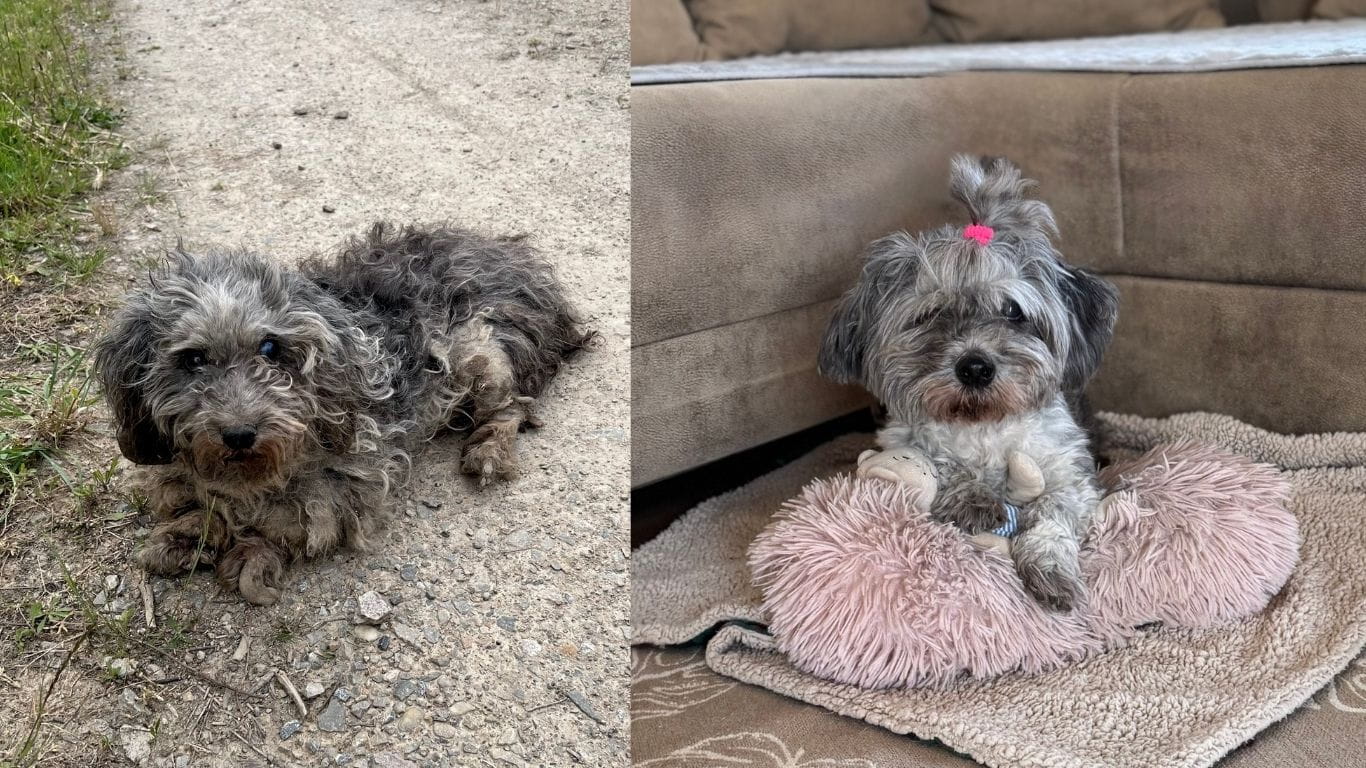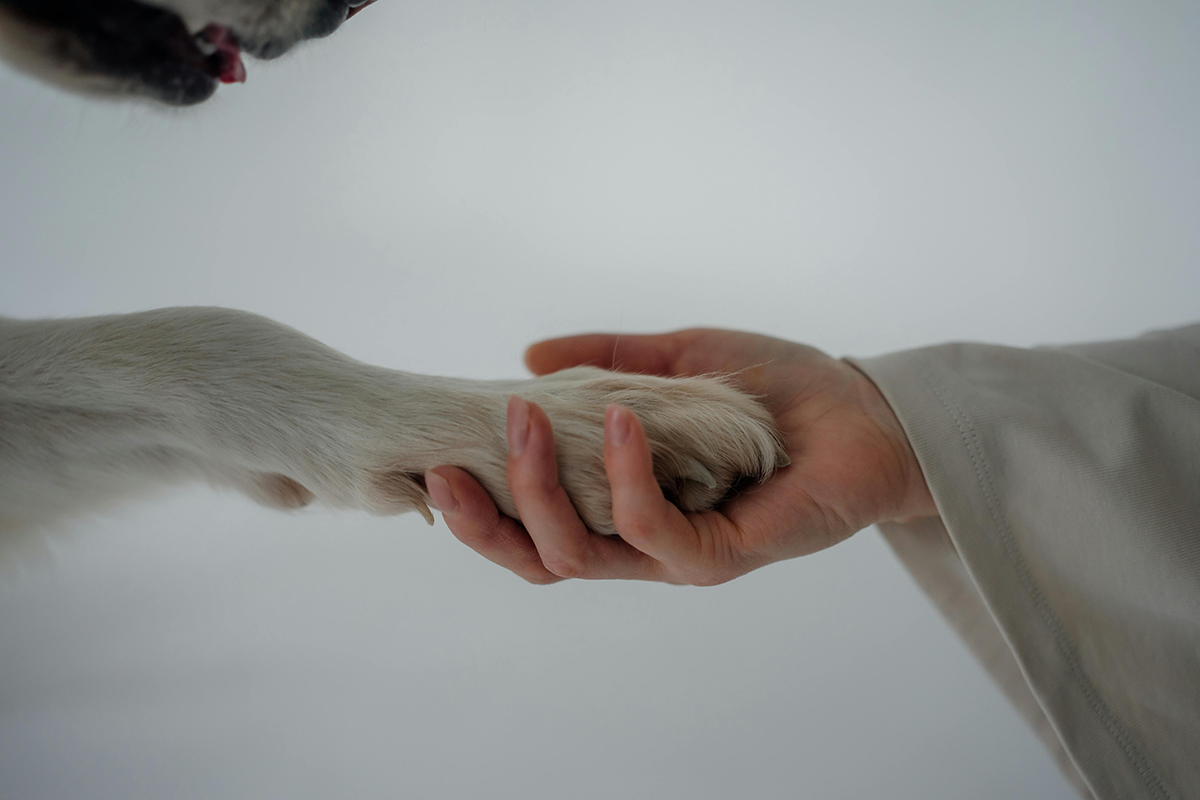
Many people expect a dog to relax immediately, show its true personality and understand that it is finally safe.
However, for many dogs, especially those who have experienced abandonment, life on the streets, shelters, neglect or multiple changes of home, arriving in a new environment represents enormous stress and a complete change of everything they know.
That is why the 3-3-3 rule is often used in the world of dog adoption and rehabilitation—a simple way to help people better understand what a dog goes through while adjusting to a new home.
It is important to understand that this is not a strict rule, nor does every dog follow the same timeline.
Some dogs will need less time, while others, especially those with a history of trauma, fear and prolonged insecurity, will need much more.
The essence of the 3-3-3 rule is not in the numbers, but in understanding that trust, relaxation and a sense of safety do not develop overnight.

The First 3 Days — Shock, Stress and Confusion
For many dogs, the first few days are a period of enormous stress.
The dog finds itself in a completely new environment, surrounded by unfamiliar people, smells, sounds and rules it does not yet understand.
During this period, many dogs may:
- * appear withdrawn,
- * refuse food,
- * sleep a lot,
- * hide,
- * seem confused,
- * or be excessively anxious and restless.
This does not mean that the dog is “cold,” “ungrateful,” or that it has not bonded with people.
Very often, it simply means that the dog is trying to understand whether it is finally safe.
Many dogs need time to realize that they are no longer in danger and that they no longer have to survive from one day to the next.
During this period, the most important things are:
- * peace and quiet,
- * routine,
- * patience,
- * and avoiding pressure.
The dog needs time to begin building a sense of safety in its new environment at its own pace.
The First 3 Weeks — Learning the Routine and Building Trust
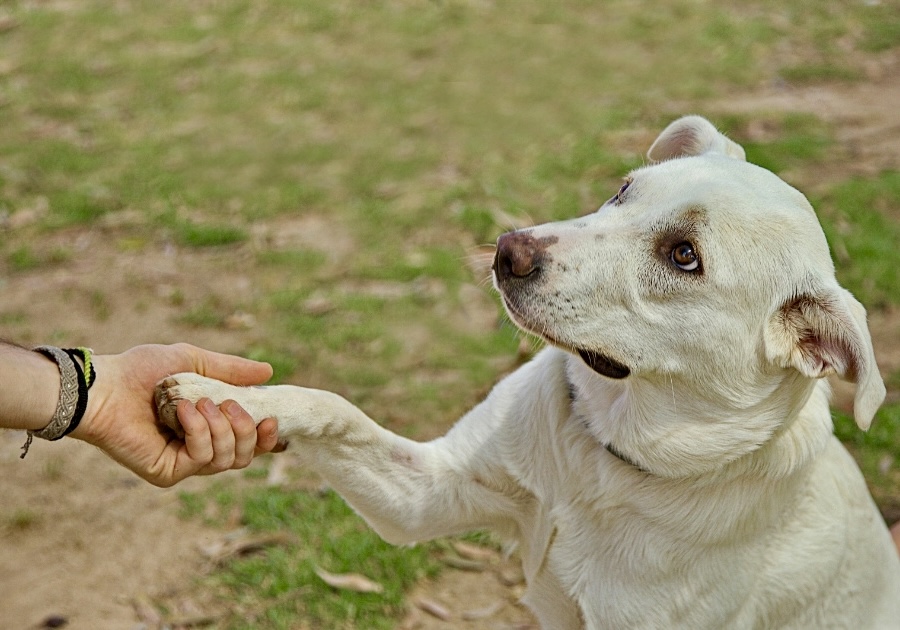
After the initial shock, many dogs gradually begin to relax.
They start to learn the household routine:
- * when they go outside,
- * when they are fed,
- * who the people around them are,
- * what is safe,
- * and what they can expect.
During this period, many dogs begin to show their true personalities.
Some become more playful and affectionate, while others only then begin to show fears, insecurities or behaviors that were not visible during the first few days.
That is why it is very important not to draw conclusions too early.
A dog that seemed completely calm during the first few days may actually have been under significant stress.
This is the period in which the following gradually develop:
- * trust,
- * routine,
- * communication,
- * and a sense of safety.
Many dogs only then begin to understand that their new home may truly be a place where they can remain safe.
The First 3 Months — Feeling at Home and Belonging
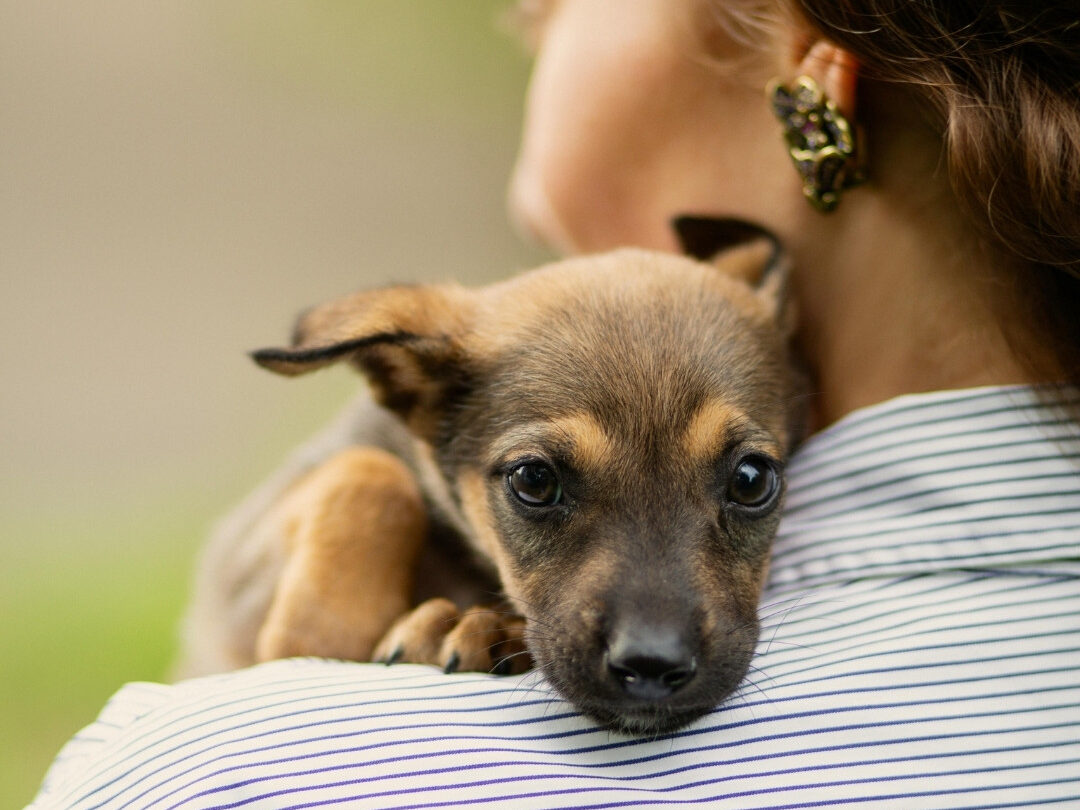
For many dogs, it is only after several months that they begin to truly relax.
By this stage, the dog often:
- * understands the routine,
- * feels safe,
- * shows its emotions and personality,
- * relaxes in its surroundings,
- * and begins to experience the new home as its own.
Many dogs experience a genuine sense of security for the first time only after arriving in a new home.
For dogs with a history of serious trauma, the adjustment process may take considerably longer.
And that is precisely why adjustment rarely looks completely linear or simple.
There will be good days, but also moments of fear, insecurity or withdrawal, especially in dogs carrying difficult experiences from their past.
This does not mean that something is “wrong” with the dog, or that it is “not suited to that home.” It means that the dog is trying to feel safe after everything it has been through.
Why Understanding the 3-3-3 Rule Matters
One of the biggest problems in adoption is that people often expect a dog to fit into its new life immediately.
When that does not happen quickly enough, disappointment, impatience and the return of the animal may follow.
The truth is that most dogs need time.
Time to:
- * get to know the people around them,
- * develop trust,
- * learn the routine,
- * feel safe,
- * and understand that they are no longer alone or in danger.
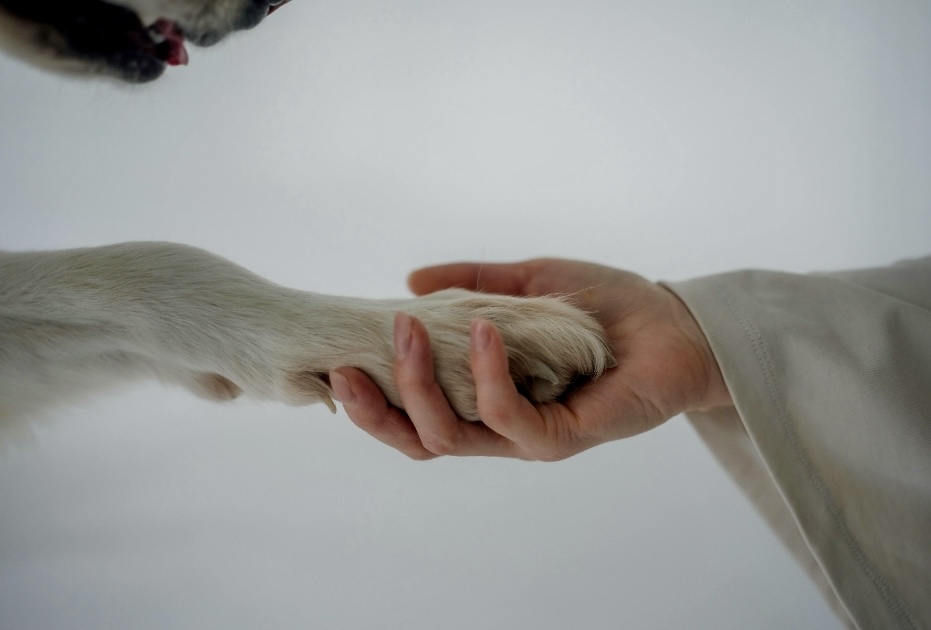
That is why patience is one of the most important parts of responsible adoption.
A dog needs a home that understands trust is not gained immediately, but built through patience, consistency and safety.
It needs time to relax at its own pace, not at the pace people expect.
For more educational content about responsible pet ownership and animal welfare, follow our educational Instagram profile @ventura_edu.rs.