
One of the important educational topics we want to address is heartworm disease in dogs.
The reason is very specific. Through adoption applications at our organization, we often speak with people who want to adopt a dog. During the questionnaire and interview process, we discover that many of them do not know what heartworm is, how it is transmitted, what consequences it can have for a dog’s health, or what proper prevention involves.
We are particularly concerned when it turns out that some of these people already have dogs and take them to the veterinarian regularly, yet have never received clear information about heartworm disease or preventive protection. We have seen people truly understand the seriousness of the disease for the first time through a conversation with us, then immediately take their dog for testing so that, if the results are negative, they can begin regular prevention.
It is important to clarify from the outset that the term “heartworm” is not a metaphor. It refers to an actual parasite that develops inside a dog’s body. Adult heartworms live primarily in the pulmonary arteries—the blood vessels connecting the heart and lungs—and, in severe cases, may also be found in the heart itself. The disease can therefore cause serious damage to the heart, lungs and blood vessels, impair circulation and lead to severe health consequences.
Heartworm disease is a serious parasitic infection transmitted by mosquitoes.
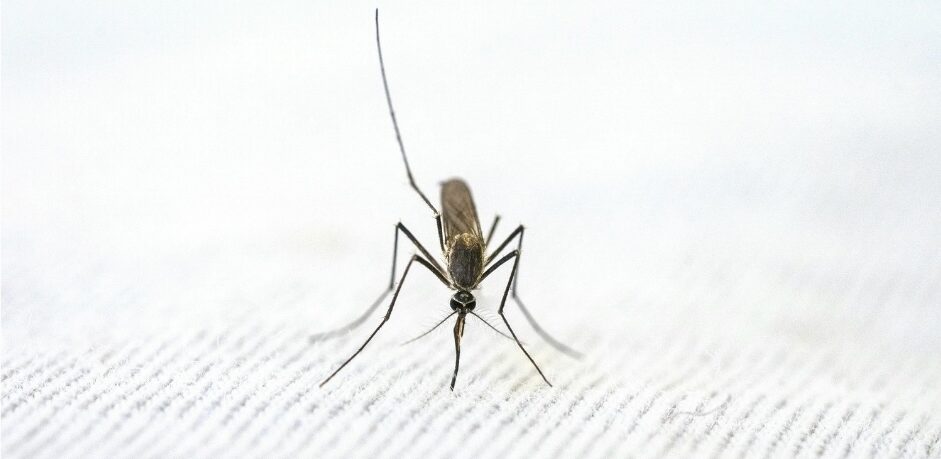
When an infected mosquito bites a dog, microscopic parasite larvae enter the dog’s body. Over the following months, they develop and migrate through the tissues and bloodstream until they reach the pulmonary arteries and, in some cases, the heart.
Over time, these larvae develop into adult worms that place a serious burden on the heart and lungs and progressively compromise the dog’s health.
What makes this disease particularly dangerous is that a dog may appear completely healthy for a long time. Many dogs have no obvious symptoms in the early stages, which means owners may not realize that the disease is already progressing.
When symptoms become noticeable, they may include fatigue after minimal exertion, coughing, difficulty breathing, weakness, reduced stamina, weight loss and reluctance to exercise. In more severe cases, serious damage to the heart and lungs, organ failure and death may occur.
Heartworm disease does not go away on its own.
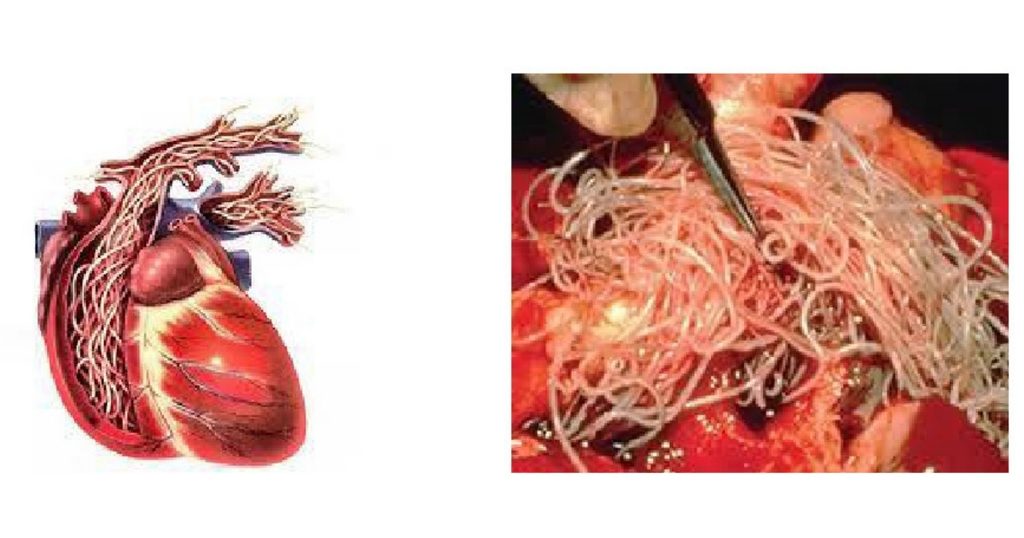
Without treatment, the infection can continue to progress as the parasites remain in the dog’s body and place increasing strain on the heart and lungs.
Treating heartworm disease is neither simple nor quick. Depending on the stage of the disease and the dog’s condition, treatment may take months and require veterinary supervision, regular examinations, diagnostic tests and careful monitoring throughout recovery.
An especially important part of treatment is strict rest and controlled physical activity. During treatment and as the parasites die, serious complications can occur. Dogs must therefore avoid strenuous activity, running and physical exhaustion, in accordance with their veterinarian’s instructions.
For this reason, treating heartworm disease requires considerable responsibility, discipline and patience.
At our organization, every dog that comes under our protection is tested for heartworm. If the dog tests negative, we introduce regular prevention under veterinary guidance, with follow-up testing when appropriate. If the dog tests positive, we assess the stage of the disease, perform the necessary diagnostic tests and begin treatment in accordance with veterinary guidelines.
We have successfully treated many dogs with heartworm disease, without lasting consequences for their health, precisely because we approached the disease responsibly, with veterinary supervision, regular check-ups and strict adherence to the prescribed treatment.
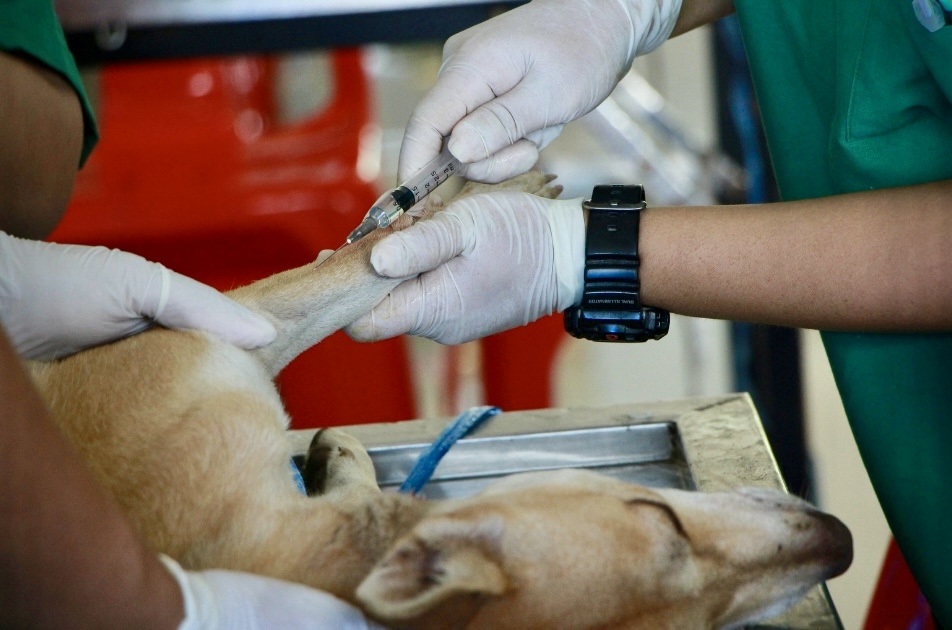
If your dog has not previously received heartworm prevention, it is important not to start administering preventive medication on your own. The first step should be a visit to your veterinarian, heartworm testing and a thorough discussion about which preventive treatment is safe and appropriate for your dog. A negative result does not always rule out a recent infection, so your veterinarian may recommend follow-up testing.
We also believe that testing a dog only once a year, without any regular preventive protection, is not sufficient. Testing is important, but it does not prevent infection. It helps determine whether an infection is detectable at the time of testing. Without regular protection, a dog may become infected between tests and later require treatment, with substantial costs, serious health risks and possible complications.
That is why we follow a simple but important principle in this matter: prevention is better than treatment.
Because of the mild winters and the presence of mosquitoes throughout much of the year, our organization administers heartworm prevention once a month throughout the year, in accordance with veterinary guidance, to reduce the risk of infection among the dogs under our protection.
Prevention is incomparably easier and safer than prolonged treatment for a disease that can seriously threaten a dog’s life.
The most important thing people should understand is that heartworm disease can, in many cases, be prevented through appropriate protection and regular preventive care.
Because many dogs do not lose their lives because help was unavailable, but because prevention was not started in time.
For more educational content about responsible pet ownership and animal welfare, follow our educational Instagram profile @ventura_edu.rs.