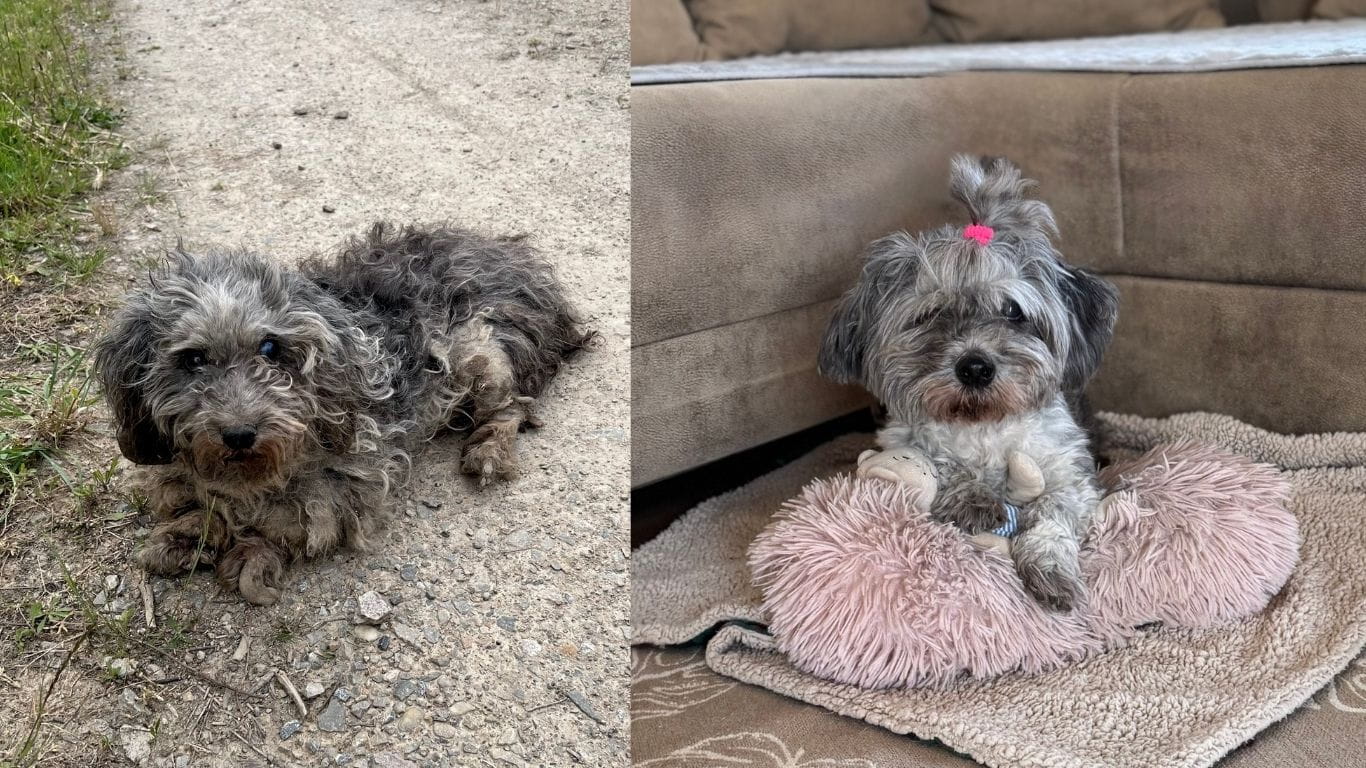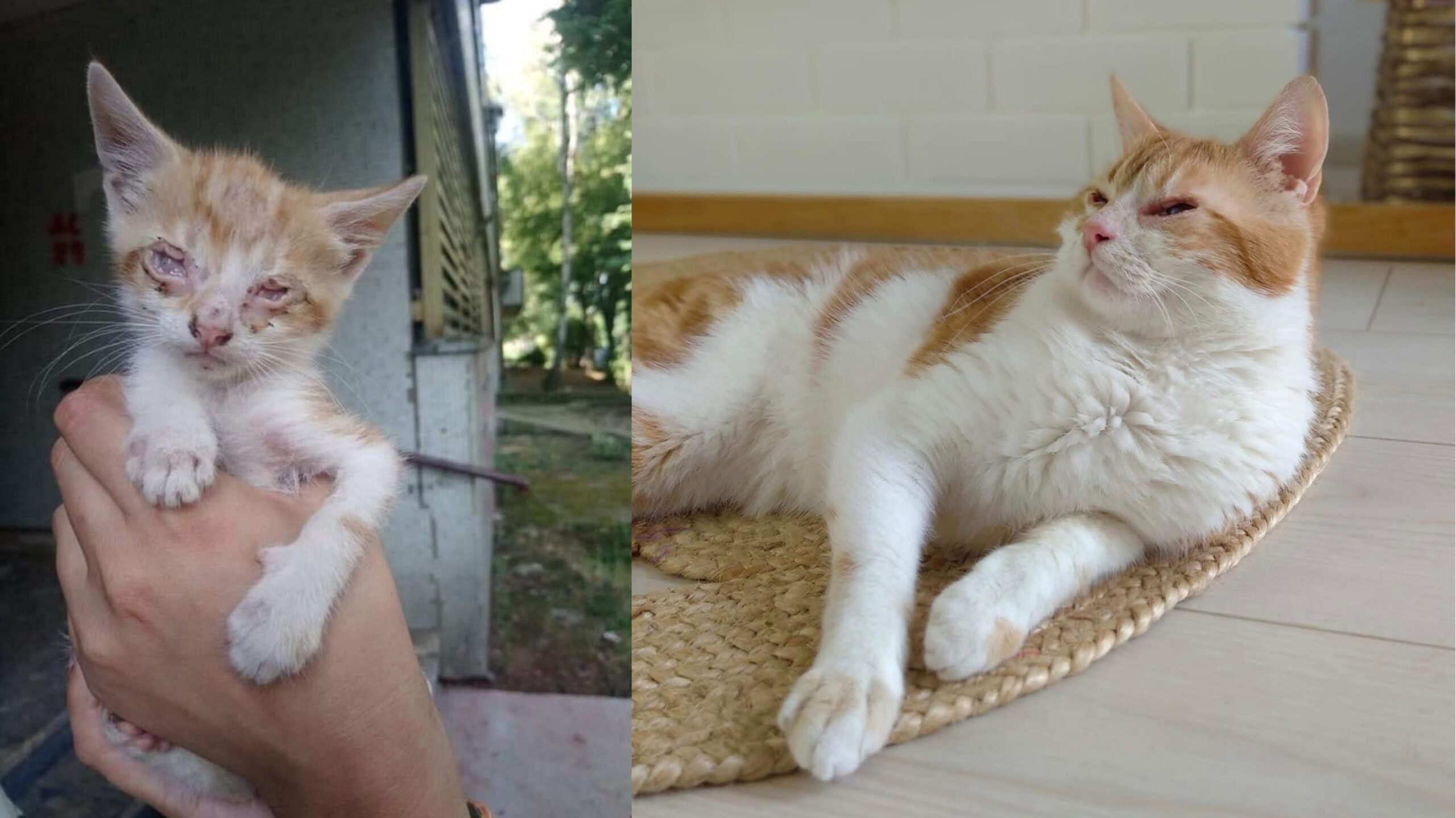
Spaying and neutering are subjects about which people often have preconceived opinions.
Unfortunately, these opinions are frequently based not on reliable information, veterinary evidence or the real consequences of leaving animals unneutered, but on stereotypes, stories passed down by others, misguided advice and statements repeated for years without sufficient consideration of their consequences.
“I feel sorry for her. I don’t want to spay her.”
“Let her have at least one litter.”
“We make sure they don’t mate.”
“It isn’t natural.”
“We’ll find homes for all of them.”
We do not speak about spaying and neutering solely from theory, nor exclusively from our experience in animal rescue. We speak from our daily encounters with the consequences of irresponsible breeding, as well as from what has been established through years of veterinary practice and medical research.
The Consequences We Encounter Every Day
Diseases of the reproductive organs, hormone-related malignancies, injuries associated with mating behaviour, uncontrolled litters, abandonment, and attempts to “solve the problem” when the young become unwanted.
We also face an excessive population of dogs and cats on the streets, in shelters, rescue facilities and temporary accommodation that have long been overwhelmed.
When people receive complete and accurate information, they often come to understand that spaying and neutering are not a punishment for an animal, but an important decision that directly affects its health, safety and quality of life, as well as our wider responsibility towards animals and society as a whole.

Health Benefits for Female Dogs and Cats
Spaying can significantly reduce the risk of serious diseases of the reproductive system in female dogs and cats, including mammary tumours, pyometra—a severe and potentially life-threatening infection of the uterus—complications during pregnancy and birth, and certain long-term hormone-related conditions.
Animals that come into contact with other unneutered animals may also face an increased risk of certain sexually transmitted diseases and tumours, including canine transmissible venereal tumour (TVT), also known as Sticker’s sarcoma. In cats, mating and fighting can increase the risk of transmission of serious viral infections such as FIV.
Many owners are not even aware of the hormonal changes their female animals experience during each heat cycle.
False pregnancies also occur in many female dogs. People often regard them as harmless or even amusing, although they can cause considerable physical and psychological distress in some animals.
Some dogs experience pronounced physical and behavioural changes that may recur from one cycle to another and, over time, place additional strain on their well-being.

Few people consider what a female animal actually goes through during pregnancy, birth and nursing, or even during mating itself.
In rescue work, we regularly encounter females whose bodies have been exhausted by repeated litters—thin, weak, ill and in poor health.
We also encounter very young females that have not yet reached full physical maturity but are already pregnant and nursing, as well as older females whose bodies are no longer able to cope with the demands placed upon them.
It is particularly difficult to see females using their last reserves of strength to feed offspring for whom many people will later be unwilling to assume long-term responsibility.
It is important to understand that animal reproduction is not the romantic picture people often imagine.
During a heat cycle, a female may be exposed to numerous males and uncontrolled mating, without any consideration of the animals’ health status, genetic relatedness or the female’s own safety.

Health and Safety Benefits for Males
When the subject of neutering male animals arises, people often react even more emotionally than they do to spaying females, primarily for psychological and social reasons.
Neutering males is also frequently considered less important because males do not give birth. As a result, many owners believe they bear no direct responsibility for the consequences of reproduction.
Far less attention is paid to the risks to which unneutered males may be exposed.
Neutering can help reduce the risk of certain reproductive diseases, including testicular tumours, some prostate conditions and certain sexually transmitted diseases, just as it can in females.
However, an equally important part of the discussion concerns behaviour associated with sexual drive.
During a female’s heat cycle, many male dogs attempt to escape, become involved in fights with other males, run into roads or travel kilometres away from home.
Some animals may also display pronounced conflict-related or territorial behaviour towards other animals.
These are precisely the circumstances in which rescue organizations, volunteers and people dedicated to saving animals repeatedly encounter traffic accidents, serious physical injuries, bites, infections, disappearances and fatal outcomes.
Unneutered male cats that roam outdoors are also at greater risk of exposure to certain infectious diseases and serious injuries resulting from territorial fights.
Many owners believe:
“My dog would never do that.”
“My cat knows how to look after himself.”
Yet serious consequences can result from a single moment of inattention—or from years of mistaken assumptions that “nothing bad will happen.”
“But my pet lives in a controlled environment, and we make sure they don’t mate.”
This is another statement we hear very often.
However, many unwanted litters have resulted from situations in which people believed they had everything completely under control.
All it takes is one moment of inattention: an open gate, an open window, an unsupervised outing, a guest who fails to close a door, or a heat cycle that goes unnoticed.
Responsible ownership does not mean relying on luck or assuming that “it won’t happen to us.” It means making decisions that prevent problems before they arise.
Spaying and Neutering Do Not Take Away an Animal’s Love or Personality
One of the most common fears among owners is that their pet will become sad, listless or somehow no longer the same after being spayed or neutered.
Current veterinary and behavioural research does not support the claim that spaying or neutering deprives animals of their capacity for attachment, emotions or meaningful relationships with people.
In practice, what we most often observe is quite the opposite.
After recovery, animals continue to be the same companions their owners love—affectionate, expressive, playful and connected to their families.
In many cases, there may be a reduction in hormone-related stress, restlessness and certain behaviours associated with sexual drive or territorial aggression.
Animals do not experience the need for parenthood in the same emotional way that humans do.
Their reproductive behaviour is primarily driven by biological and hormonal processes, while their ability to form bonds with people and live fulfilling lives does not depend on whether they have produced offspring.
In many circumstances, spaying and neutering can contribute directly to a safer, more stable and better quality of life for the animal.
“I Don’t Want My Pet to Gain Weight After the Procedure”
This is another common concern among owners.
It is true that, following spaying or neutering, owners may need to pay closer attention to their pet’s diet and body weight.
Some dogs and cats may experience changes in metabolism and an increased tendency to gain weight, particularly if their previous feeding routine continues while their level of physical activity decreases.
However, this is not a reason to oppose spaying or neutering. It is a reason to provide more responsible care.
With appropriate portion sizes, a balanced diet, regular exercise and monitoring of body weight, this risk can be successfully managed in the vast majority of cases.
When we compare the risks of uncontrolled breeding, serious diseases, hormonal conditions, false pregnancies, tumours, injuries and unwanted litters, it becomes clear that managing an animal’s diet is far more responsible than exposing it to substantially greater health and safety risks.

Veterinary Advice: An Important and Essential Responsibility
We do not wish to generalize, because there are veterinarians who educate owners responsibly, clearly explain the benefits of spaying and neutering, and understand how uncontrolled breeding contributes to the enormous number of abandoned animals.
However, we still frequently encounter advice suggesting that it is “not a bad idea” for a female to have one litter, that spaying or neutering is “not necessary,” or that the subject is somehow secondary or unimportant.
Such advice can have serious consequences for animals and further deepen the problem of uncontrolled breeding that we have been confronting for years.
Responsibility in this matter does not rest solely with owners. It also rests with veterinarians who provide such advice, because their words carry weight and significantly influence the decisions people make for their animals.
Of course, every animal is an individual, and the most appropriate time for spaying or neutering should always be determined in consultation with a veterinarian, taking into account the animal’s age, breed, health status and individual circumstances.
Precisely for that reason, veterinary advice must be given with great responsibility. Casual or irresponsible recommendations can directly influence decisions that later result in new litters, further suffering and more abandoned animals.
That is why it is important to discuss spaying and neutering comprehensively—considering the animal’s health, the risks faced by unneutered dogs and cats, and the wider problem of unwanted litters and the enormous number of abandoned animals already living on the streets of Serbia.